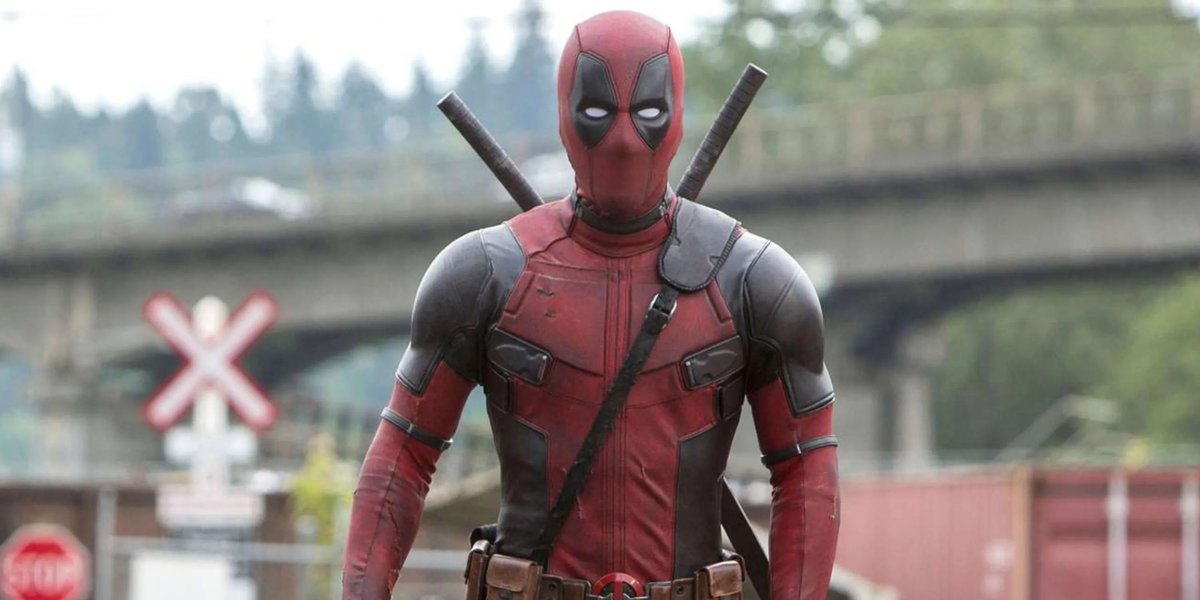
If you've ever found yourself chuckling maniacally at Deadpool's antics while simultaneously wondering where on earth his chaotic escapades actually unfold, you're in good company. Wade Wilson, the Merc with a Mouth, has a knack for turning ordinary urban landscapes into playgrounds for hyper-violent, fourth-wall-breaking mayhem. Unpacking the Iconic Deadpool Scene Locations & Set Pieces isn't just a geographical exercise; it's a deep dive into the practical magic that grounds a character who constantly reminds us he's in a movie.
From gritty back alleys to monumental bridges, the world of Deadpool is meticulously crafted, often blending the mundane with the spectacular. It's a testament to the filmmakers' vision that places you might walk past every day become the backdrops for some of the most memorable superhero (or anti-hero) moments in recent cinematic history.
At a Glance: Decoding Deadpool's Domain
Before we embark on our detailed tour, here’s a quick rundown of what makes Deadpool’s scene locations so special:
- Vancouver Takes Center Stage: Much of the gritty, urban aesthetic you see in the first Deadpool film is thanks to Vancouver, British Columbia, which doubled as the unnamed city.
- Practicality Over CGI: Many of the most impactful scenes utilized real-world locations and practical set builds, enhancing the film's grounded (despite the superpowers) feel.
- A Razed Legacy: One significant filming location, Terminal City Iron Works, was torn down after Deadpool was its final production, cementing the film's place in its history.
- From Mundane to Marvelous: Ordinary places like laundromats, bowling alleys, and expressways became iconic battlegrounds and pivotal character development spots.
- The Helicarrier That Wasn't: The climactic battle features a truly impressive, decommissioned helicarrier—a massive physical set piece built for the film.
The Unofficial Tour Guide: Welcome to Deadpool's Vancouver (and Beyond)
For all his fantastical powers and meta-commentary, Deadpool’s world often feels remarkably tangible. This authenticity is no accident; it’s a deliberate choice by the filmmakers to root his absurdity in a recognizable reality. And that reality, for the first Deadpool film especially, largely resides in the rain-kissed, industrial urban sprawl of Vancouver, British Columbia.
Vancouver’s diverse architecture, from its bustling downtown to its more industrial fringes, offered a perfect canvas. It provided the anonymous, gritty feel necessary for Wade Wilson's pre-Deadpool life, and then easily transformed into the high-octane battlegrounds where the Merc with a Mouth would truly emerge. If you've ever wondered Where Deadpool was filmed, the answer is overwhelmingly Vancouver.
This choice allowed for an aesthetic that perfectly matched Deadpool's character: raw, unpolished, and capable of both surprising beauty and shocking brutality.
Tracing Wade Wilson's Descent: From Mercenary to Mutant (Deadpool 2016)
The 2016 Deadpool film serves as the definitive origin story, chronicling Wade Wilson’s transformation from a wisecracking mercenary to the disfigured, regenerative anti-hero. The journey is mapped across a series of striking locations, each playing a crucial role in his evolution and quest for revenge.
Wade's World: Before the Red Suit
Before the red suit and the even redder wit, Wade Wilson inhabited a world that was distinctly human, if a bit rough around the edges.
- The Haunts of a Hired Gun: Wade’s regular hangout, a dive bar where mercs swap stories and bets, was captured at 215 East Hastings Street in Vancouver. This spot perfectly encapsulated the seedier side of his life, a place where morality was as murky as the drinks.
- Love Blooms in the Unlikeliest of Places: It was within the vibrant, unconventional walls of 'Sister Margaret’s School for Wayward Girls' — a purpose-built set that felt more like a beloved local institution — where Wade first crossed paths with Vanessa. Their undeniable chemistry sparked amidst the raucous atmosphere, setting the stage for their unique romance.
- A Date Night, Deadpool Style: Their early relationship moments, imbued with their shared dark humor and genuine affection, included a memorable outing to The Zone Bowling Centre at 14200 Entertainment Boulevard #150, South Richmond, BC. It’s a classic, unassuming location made memorable by the unconventional couple.
The Clinic of Horrors: Birth of a Merc with a Mouth
Wade’s life took a dark turn with a late-stage cancer diagnosis, leading him down a desperate path. This path culminated in the experimental treatment that would both save and irrevocably alter him.
- The Deceptive Offer: The initial meeting where Wade accepts the mysterious offer from a shady Recruiter (Jed Rees) was a stark and unsettling prelude to his ordeal.
- The Maze of Experimentation: His journey through the corridors of the "clinic" where mutants were made was filmed at the Crease Clinic at Riverview Hospital, 2601 Lougheed Highway, Coquitlam. This imposing, real-life former psychiatric hospital lent an eerie, institutional feel to the harrowing experiments Wade endured. Its long, sterile hallways emphasized the cold, clinical nature of his forced transformation.
- Terminal City's Last Stand: The clinic itself, where the true horrors of Ajax's mutation activation took place, was famously shot at Terminal City Iron Works, located at the northeast corner of Victoria Drive and Franklin Street in east Vancouver. This site, a sprawling industrial complex, provided the perfect gritty, abandoned aesthetic for the grim facility. Poignantly, Deadpool was its final production before the entire site was razed, making these scenes its cinematic epitaph.
Early Retribution: The Hunt for Ajax
Once transformed into Deadpool, Wade's mission became clear: revenge. This quest ignited a series of spectacular and often hilarious confrontations across Vancouver.
- The Unforgettable Highway Battle: The film's iconic opening sequence, a dazzling display of slow-motion violence and fourth-wall breaks, unfolds on Vancouver's Georgia Viaduct. This twin overpass, a prominent city landmark, provided the perfect elevated stage for Deadpool’s first major rampage as he hunted down the convoy carrying his nemesis, Ajax. The chaotic crash and subsequent combat established Deadpool's unique fighting style and irreverent humor.
- Tracking Vanessa: In his disfigured state, Wade grappled with how to reconnect with Vanessa. He observed her from the doorway of Oyster Express, 296 Keefer Street at Gore Avenue in Chinatown, before discreetly following her to her apartment at 529 Gore Avenue. These intimate, observational moments highlighted his vulnerability beneath the bravado.
- A Place to Call Home (Sort Of): After his transformation, Wade finds an unlikely ally and roommate in Blind Al. Their unique domestic dynamic plays out at the Coin Laundry at 2683 East Hastings Street, Vancouver, where they first meet. Their apartment exterior, a grimy but characterful alley nestled between Gore and Dunlevy Avenues in the Downtown Eastside, epitomized their unconventional living situation. The interior scenes, fittingly, were also filmed at the now-demolished Terminal City Iron Works, connecting his new life with his painful past.
- Dispensing Justice on Ice: Deadpool disposes of a group of henchmen with brutal efficiency at an ice-rink located at 2901 East Hastings Street. This scene is another example of how ordinary settings become extraordinary battlegrounds in Deadpool's world.
- Confronting the Recruiter: His revenge path also led him to the Rice World warehouse at 126 Gore Avenue, where he confronts the shifty Recruiter who lured him into Ajax’s clutches.
- Ajax's Lair: The antagonist's headquarters, a bleak and imposing structure befitting his villainous nature, was set at 235 Alexander Street.
- The Abduction: A pivotal moment occurs when Vanessa is abducted. The exterior of the strip club she works at was the Cobalt Hotel, 917 Main Street, while the interior, famously featuring a Stan Lee cameo, was filmed at 205 Main Street. She's lured from the club and taken from an alley alongside Abbott Street, south of Hastings Street, escalating Deadpool's desperate quest.
The Grand Finale: Scrapyards and Helicarriers
The climax of the first Deadpool film brings together unlikely allies and a truly epic set piece.
- X-Men Intervention: Seeking backup (or perhaps just enduring it), Deadpool encounters the X-Men's Colossus and Negasonic Teenage Warhead at a location often implied to be 'Xavier's School.' The majestic backdrop for these scenes was Royal Roads University in Colwood, with its stunning Hatley Castle, adding a touch of classic X-Men grandeur to Deadpool’s otherwise gritty world.
- The Ultimate Showdown: The final, explosive battle unfolds at a massive scrapyard situated on the east bank of the Fraser River in Surrey, off the South Fraser Perimeter Road (SFPR). This sprawling, industrial wasteland served as the perfect backdrop for the chaotic confrontation between Deadpool, his X-friends, Ajax, and Angel Dust. The pièce de résistance of this location was the decommissioned helicarrier, a gigantic, practical set piece that showcased the film's commitment to tangible, immersive action. This massive prop truly elevated the scale of the final fight, delivering a spectacle that blended practical effects with superhero lore.
Beyond the Backdrops: How Locations Forge a Character
It’s easy to focus on the action, but the choice of Iconic Deadpool Scene Locations & Set Pieces is never arbitrary. These physical spaces are more than just backdrops; they are silent narrators, enhancing Wade Wilson's character and the themes of the films.
The gritty, industrial underbelly of Vancouver, often wet and moody, mirrors Wade's own cynicism and the grim realities he faces. The juxtaposition of ordinary bowling alleys or laundromats with the extraordinary events unfolding there underscores Deadpool's "everyman" appeal – he's a grounded anti-hero thrust into incredible circumstances. This choice grounds his R-rated chaos, making his struggles and triumphs feel more immediate and impactful.
The use of practical effects and real locations, like the razed Terminal City Iron Works or the imposing Georgia Viaduct, lent an authenticity that CGI alone couldn't achieve. You feel the weight of the helicarrier, the cold stone of the hospital, and the damp air of the alleys. This tangible reality helps sell the impossible, allowing the audience to suspend disbelief more readily when Deadpool inevitably breaks the fourth wall or dismembers a villain.
Defining Moments, Enduring Impact: Deadpool's Character Arc Through His Cinematic Journey
While the first film meticulously details Deadpool's physical locations, his character arc across Deadpool (2016), Deadpool 2, and Deadpool & Wolverine also hinges on what we might call "conceptual set pieces"—pivotal moments that define him, regardless of their specific geographical coordinates.
- Deadpool’s Introduction (2016): The Georgia Viaduct sequence isn't just a location; it's the iconic set piece that defined his comic-accurate, R-rated, fourth-wall-breaking persona for the big screen. It was a declaration of intent for the character.
- Wade Wilson’s Cancer Diagnosis (2016): This emotional turning point, leading him to the horrors of the Crease Clinic and Terminal City Iron Works, is a foundational "set piece" in his journey. The places of his suffering are inextricably linked to his origin.
- Rescuing Vanessa (2016): The epic scrapyard battle, with its colossal helicarrier, marks Deadpool's transition from pure revenge to a more heroic, protective stance. The grand scale of the location underscores the shift in his motivations.
- Vanessa’s Death (Deadpool 2 opening): Though not tied to a single, static location, this tragic event is a devastating "set piece" of loss that forces Wade to confront the severe consequences of his actions and powers, pushing him to the brink.
- Trying To Be An X-Man (Deadpool 2): His attempts to adopt X-Men values, even if flawed, highlight his moral differences from traditional heroes. These moments often occur at the stately 'Xavier’s School' (Royal Roads University), a location that visually contrasts with Deadpool's grungier origins.
- Heroic Self-Sacrifice (Deadpool 2 ending): Deadpool's self-sacrifice to save Russell, even with his powers negated, is a significant moment of growth, revealing a deeper, albeit still humorous, selflessness.
- Saving The Multiverse With Wolverine (Deadpool & Wolverine ending): This ultimate act elevates him from antihero to a genuine Multiverse savior, positioning him as a significant MCU hero, often against vast, multiversal backdrops that transcend any single terrestrial location.
Production Secrets and Practical Magic: What It Takes to Build Deadpool's World
Creating Deadpool's world wasn't just about finding cool spots in Vancouver; it was about embracing the practical challenges and leaning into them. The filmmakers often chose real-world, working locations because they offered a texture and grit that even the best sets or CGI couldn't replicate.
Think about the Terminal City Iron Works. It wasn't just a convenient vacant lot; it was a character in itself, embodying the sinister, industrial underbelly where Wade's transformation occurred. Its subsequent demolition after filming adds a layer of irreplaceable history to the movie, a reminder of the fleeting nature of real-world sets.
The construction of the decommissioned helicarrier at the Fraser River scrapyard is another prime example. Instead of relying entirely on digital effects, a massive physical structure was built, allowing actors to interact with a tangible environment, giving the climactic battle a sense of scale and realism that few superhero films achieve. This commitment to practical effects, even for a character as outlandish as Deadpool, helped ground the film in a way that resonated deeply with audiences. It's a testament to the idea that sometimes, the most iconic scenes are built not just on clever writing, but on concrete and steel.
Common Questions About Deadpool's Filming Locations
You've got questions, we've got answers—straight from the source (the movie itself, and its production details, of course).
Why Was So Much of Deadpool (2016) Filmed in Vancouver?
Vancouver, British Columbia, is a popular filming location due to its diverse urban and natural landscapes, experienced film crews, and favorable tax incentives. For Deadpool, its varied architecture and ability to convincingly stand in for a generic North American city perfectly matched the film's gritty, urban aesthetic, making it an ideal choice for the character's origin story.
Were All the Sets and Locations for Deadpool Real?
While many key scenes were filmed at real-world locations in and around Vancouver (like the Georgia Viaduct, Riverview Hospital, and various street addresses), some crucial "locations" were actually purpose-built sets. 'Sister Margaret’s School for Wayward Girls' (the strip club) was a set, as were significant portions of Ajax's clinic (though filmed within Terminal City Iron Works) and the interior of Blind Al's apartment. The climactic helicarrier was a massive physical set piece constructed at a scrapyard.
What Happened to the Helicarrier After Filming?
The impressive decommissioned helicarrier used in the final battle was a large-scale physical set. After filming wrapped, it was dismantled. While it was a spectacular set piece, it was not a real, fully functional helicarrier, nor was it intended for permanent display.
Is 'Sister Margaret’s School for Wayward Girls' a Real Place You Can Visit?
No, 'Sister Margaret’s School for Wayward Girls' was a fictional location created specifically for the film. The interior sets were built for the movie, capturing the unique, irreverent vibe of Wade and Vanessa's initial meeting place. The exterior of the strip club later in the film was the Cobalt Hotel, a real establishment.
Was Terminal City Iron Works Demolished Because of Deadpool?
No, Terminal City Iron Works was already slated for redevelopment and demolition. Deadpool was its final production before it was razed. The film essentially got to use the site one last time, making its appearance in Deadpool a lasting memorial to the industrial complex.
Your Next Mission: Exploring Deadpool's Universe
Understanding the Iconic Deadpool Scene Locations & Set Pieces isn't just about trivia; it's about appreciating the craft that goes into building a believable world for a character who constantly reminds you it's all fake. The blend of Vancouver's gritty reality with custom-built mega-props like the helicarrier created a unique cinematic experience that helped catapult Deadpool into the pop culture icon he is today.
So, the next time you rewatch Deadpool, take a moment to look beyond the rapid-fire jokes and explosive action. See if you can spot the Vancouver landmarks, appreciate the grimy charm of the real-world backdrops, and remember the industrial ghost of Terminal City Iron Works. These are the unsung heroes—the physical foundations—of Deadpool's delightfully chaotic universe, waiting for you to discover them.